



How much caffeine is really in your tea?

Tea is often chosen as a gentler alternative to coffee, but understanding the actual caffeine content can help you make informed decisions about which varieties suit your lifestyle and time of day.
The amount of caffeine in your cup depends on several factors beyond simply which type of tea you're drinking. Water temperature, steeping time, the age of the leaves, and even how much leaf material you use all play a role in determining how much caffeine ends up in your brew.
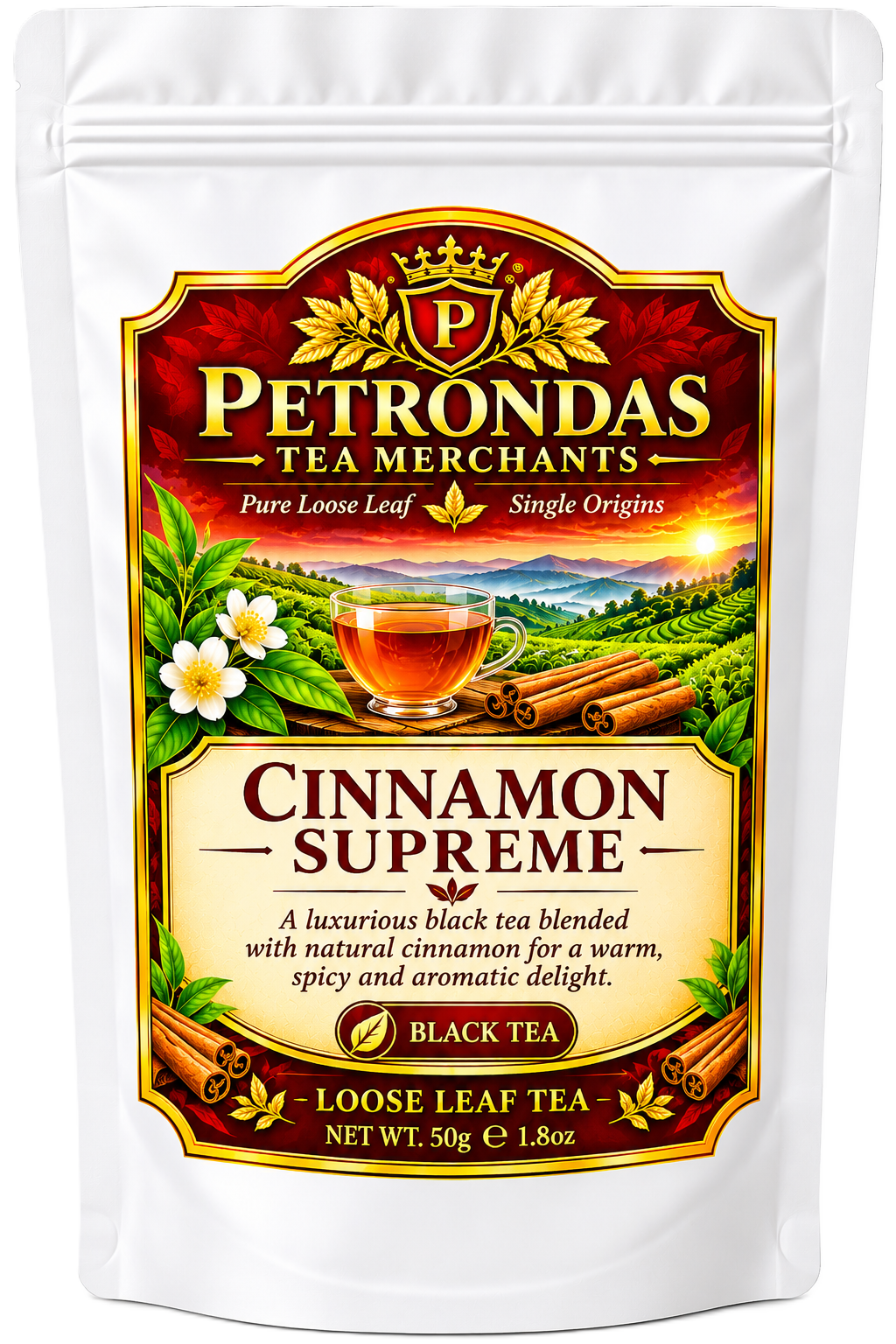
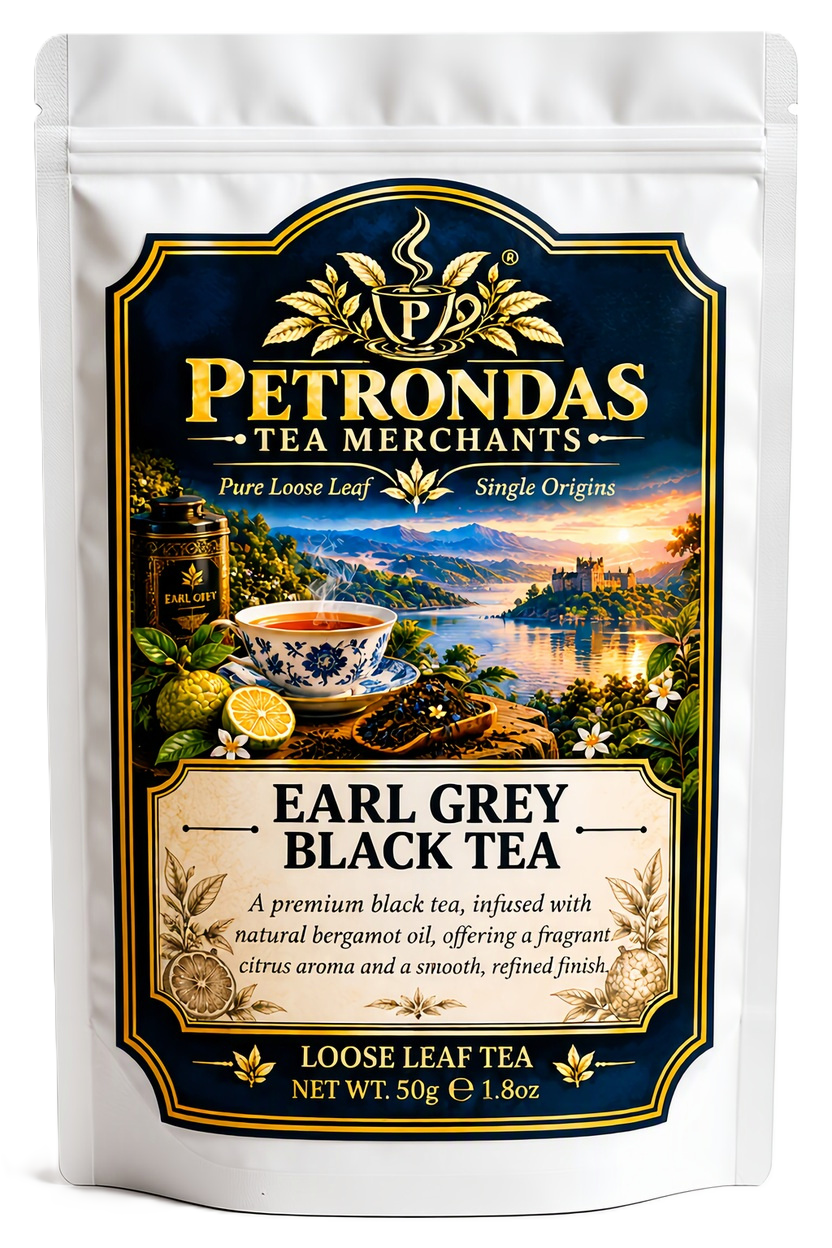
Black Tea
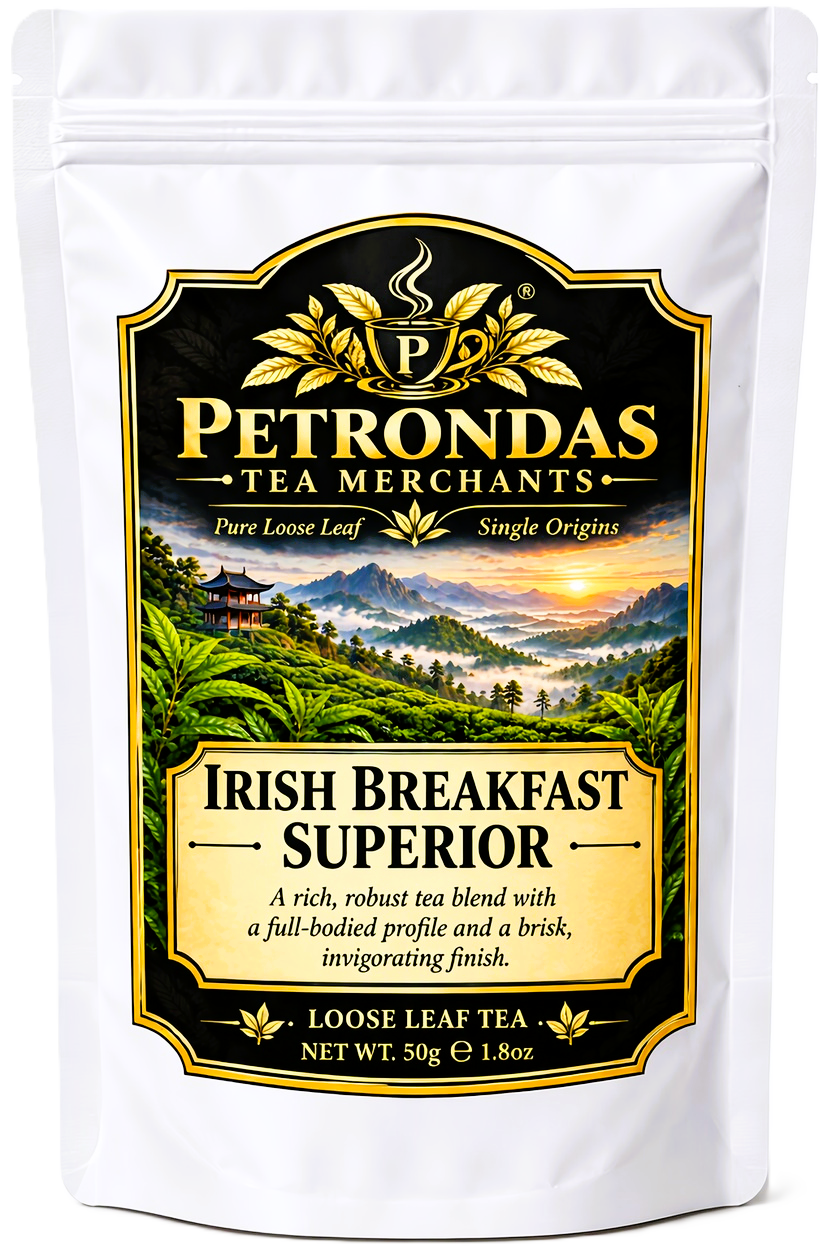
Black tea is the most oxidised of all tea types, and it typically contains the highest caffeine levels among traditional teas. A standard cup brewed for three to five minutes generally contains a moderate amount of caffeine — roughly half to two-thirds of what you'd find in a comparable cup of coffee. Longer steeping times will increase the caffeine content, so if you prefer a stronger cup, you're also increasing your caffeine intake.
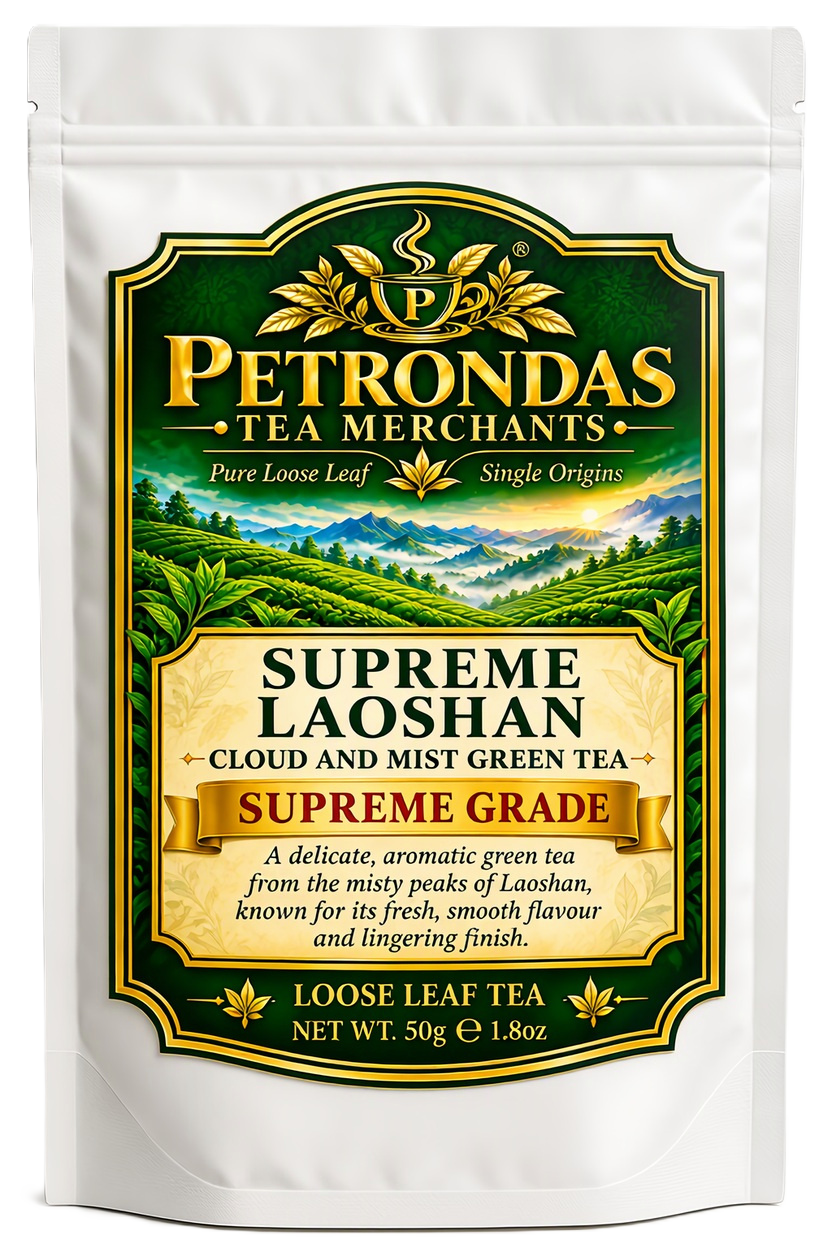
Green Tea
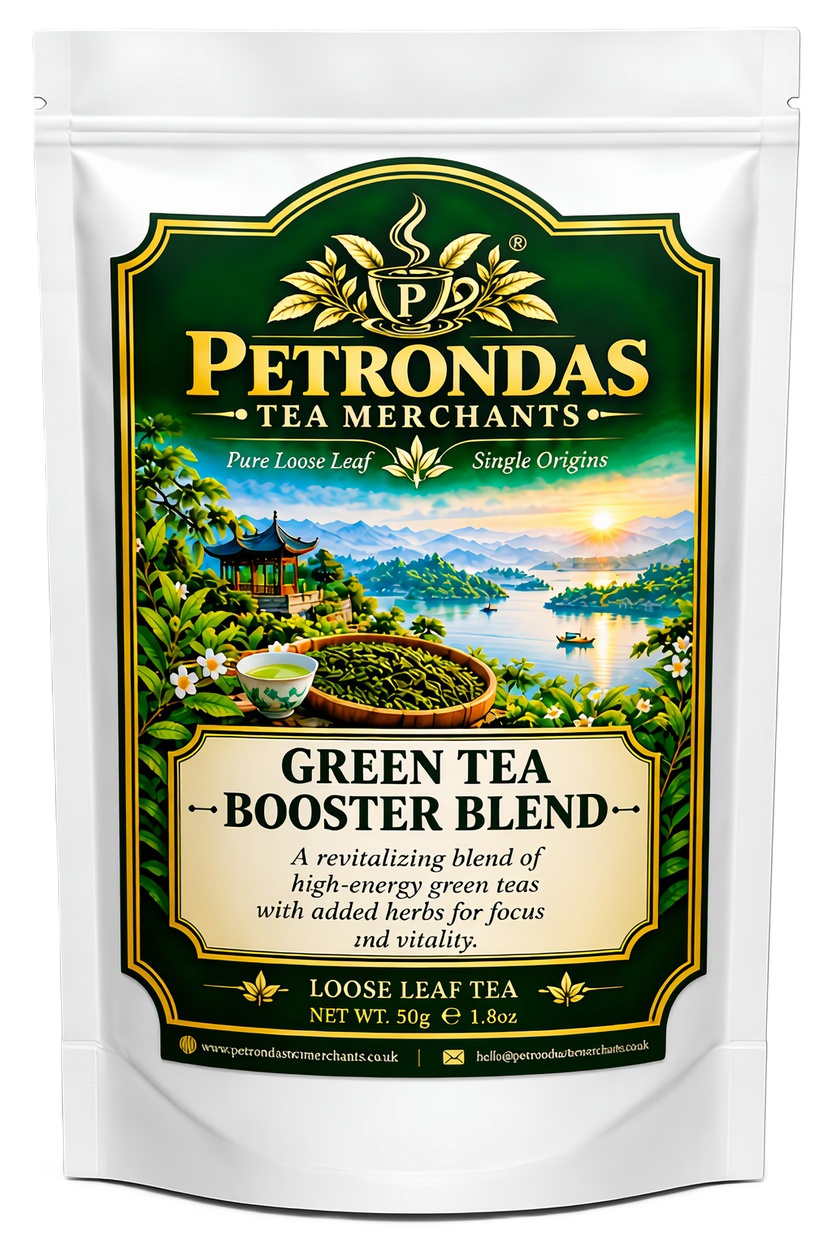
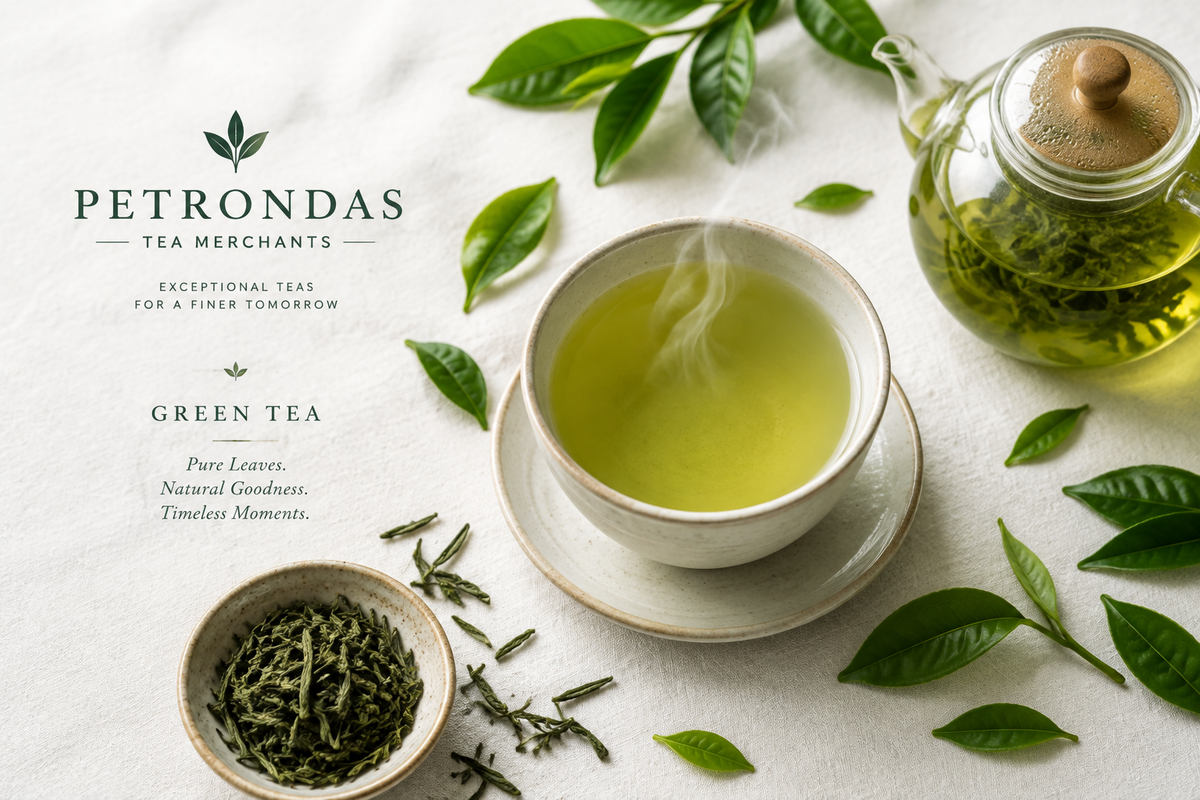
Green tea is less oxidised than black tea and often has a reputation for being "lighter" in every sense. While it does contain caffeine, the amount is typically lower than black tea. Green tea also contains an amino acid called L-theanine, which can promote a sense of calm and may offset some of the stimulating effects of caffeine, creating a more balanced energy boost.
Pu-erh Tea
Pu-erh tea occupies an interesting middle ground. Depending on whether you choose a raw or aged variety, caffeine levels can vary. Raw pu-erh tends to have more caffeine, whilst aged pu-erh may have slightly less. The fermentation process also influences the final caffeine content, making pu-erh a tea worth experimenting with if you're sensitive to caffeine.
Herbal Tea
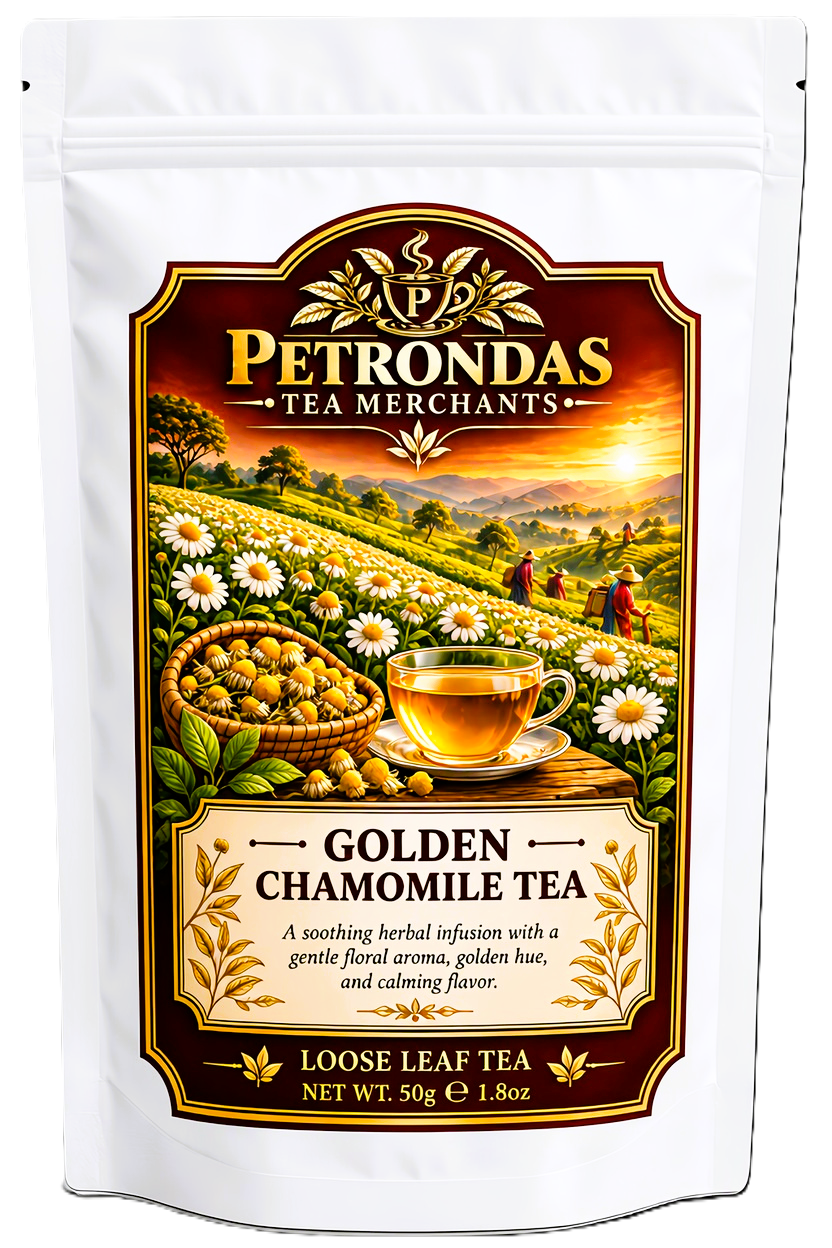
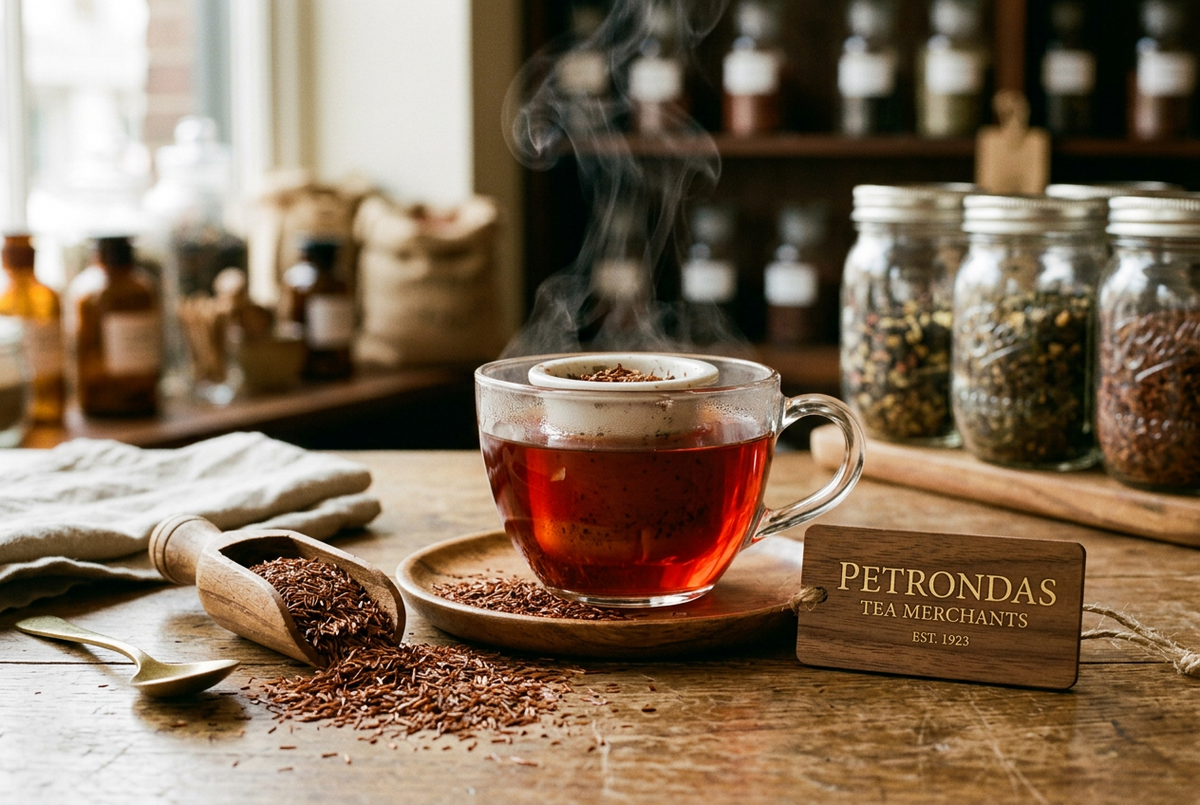
Most herbal infusions are naturally caffeine-free, making them an excellent choice if you're looking to avoid caffeine altogether. Whether you're enjoying chamomile, peppermint, or rooibos, you can sip without worry about disrupting your sleep or causing jitteriness.
How to Control Your Caffeine Intake
If you want to reduce caffeine without giving up tea entirely, consider using less leaf material in your pot, brewing for a shorter time, or choosing green or herbal varieties. Conversely, if you're seeking a more energising cup, opt for black tea or pu-erh and allow it to steep longer. The beauty of tea is that you have control over how you prepare it, allowing you to tailor your caffeine consumption to your preferences and daily routine.