










The old tea trading routes of the Middle East by Camel back..

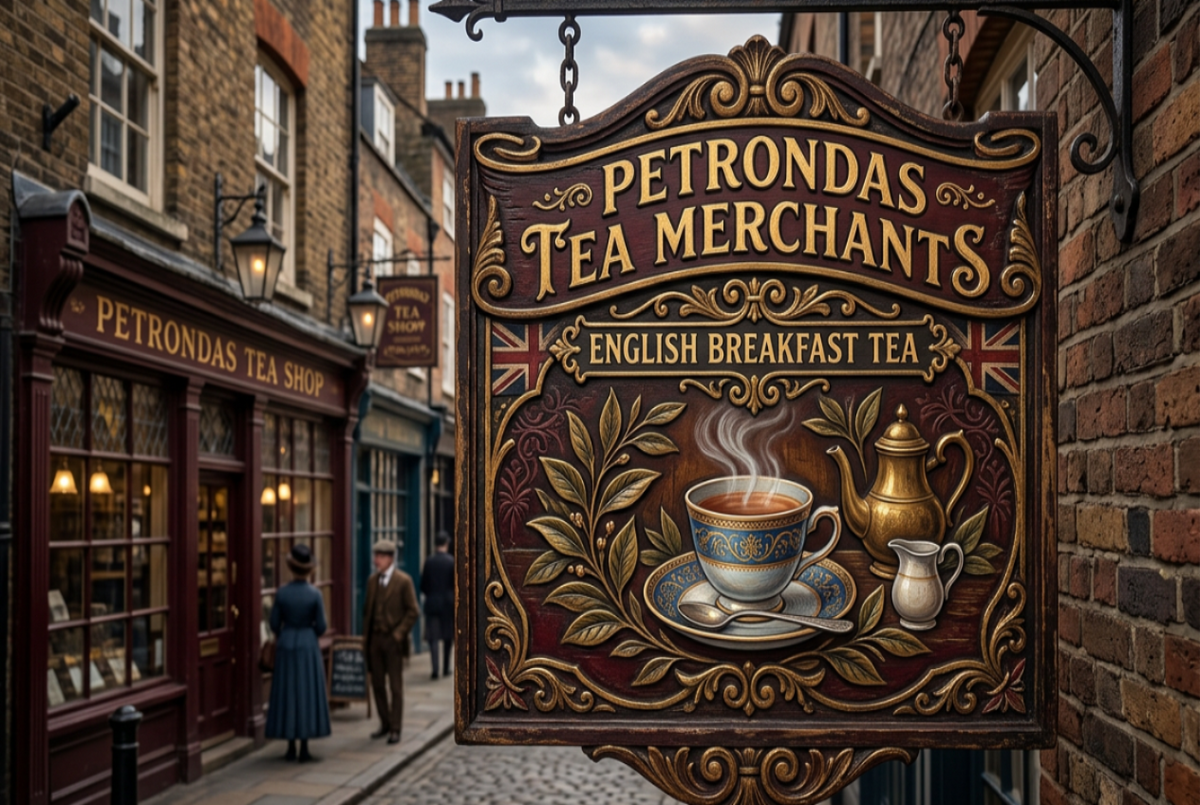
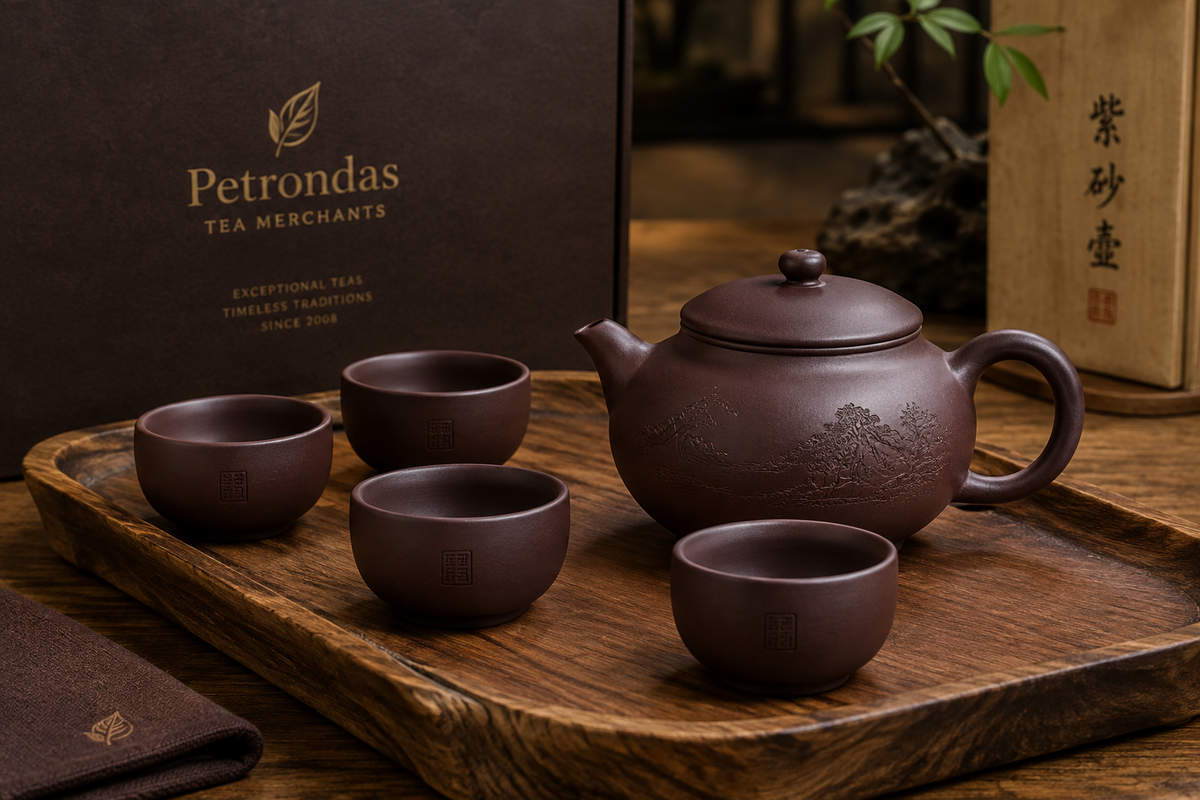
At Petrondas Tea Merchants, we’re not just another tea brand —
Our family was delivering the finest teas over 100 years ago along the tea trading routes of the middle east on camel back.
When we say tea is part of our roots, we mean it. Petrondas Tea Merchants was born out of a love for the very finest teas from around the world, direct from our family origins to yours..
The ancient tea trade across the Middle East represents one of history's most fascinating journeys of commerce, culture, and culinary discovery. For centuries, camel caravans traversed vast deserts, treacherous mountain passes, and sprawling trade routes, carrying precious tea leaves from distant eastern plantations to eager markets in the Arabian Peninsula, Persia, and beyond.
Tea arrived in the Middle East relatively late compared to its consumption in China and other Asian regions, but once it took hold, it became deeply woven into the fabric of Middle Eastern society. The Silk Road and its lesser-known branches became highways for tea merchants, with Damascus, Baghdad, and Cairo emerging as major distribution hubs. These cities transformed into vibrant centres where traders, merchants, and tea enthusiasts converged.
The Camel Caravan: Nature's Perfect Transport
There was good reason why camels became the backbone of these trading expeditions. Unlike horses or donkeys, camels could traverse the harsh desert landscape with remarkable efficiency, going days without water and carrying loads of up to 300 kilograms. A single caravan could consist of hundreds of animals, strung together in long lines that stretched across the horizon. The journey from the ports of the Arabian Peninsula inland required careful planning, reliable guides, and an intimate knowledge of water sources and seasonal conditions.
These caravans weren't merely transport vessels—they were moving communities. Merchants, guards, cooks, and local guides worked together to ensure the precious cargo arrived safely. The tea, carefully packaged in sealed containers to protect it from heat and moisture, was treated with the utmost care. A single caravan could take weeks or even months to complete its route, depending on the starting point and final destination.
Major Routes and Trading Hubs
The most significant tea routes converged through key cities that became legendary in merchant lore. Aden, with its strategic position on the Red Sea, served as a critical entry point for tea coming from India and beyond. From there, caravans would journey northward through the Arabian Peninsula, reaching cities like Sana'a and Mecca. Eastern routes brought tea through Persia, where cities like Isfahan and Tehran became centres of tea culture and distribution.
The merchants who controlled these routes accumulated enormous wealth and influence. Tea trading families became dynasties, passing down routes, contacts, and trading secrets through generations. The profit margins were substantial—tea was a luxury commodity, and those who could deliver it successfully commanded premium prices.
The Cultural Impact of Tea Trade
Beyond commerce, these trading routes fostered unprecedented cultural exchange. The Middle East didn't simply receive tea as a product; it embraced tea as part of its identity. The ritual of tea drinking became inseparable from hospitality, business dealings, and social gatherings. Traditional tea ceremonies developed, each region adding its own spices, herbs, and preparation methods.
The camel caravans also facilitated the spread of knowledge. Ideas, stories, and innovations travelled alongside the tea. Merchants brought back accounts of distant lands, new technologies, and different ways of living. These routes became conduits for human connection in an era when travel was arduous and communication across vast distances was limited.
Today, the legacy of these ancient tea routes remains visible in the Middle Eastern tea culture that continues to thrive. Whether it's the mint tea of Morocco, the spiced chai of the Levant, or the black tea of Turkey and Iran, each tradition carries echoes of those centuries-long caravans that brought tea across deserts and mountains to create one of the world's most enduring and cherished beverage cultures.