
The different types of loose leaf tea..

Loose leaf tea offers a wonderfully diverse world of flavours, aromas, and brewing experiences. Whether you're new to tea or a seasoned enthusiast, understanding the main types of loose leaf tea will help you discover your favourites and appreciate what makes each one special.
Black Tea
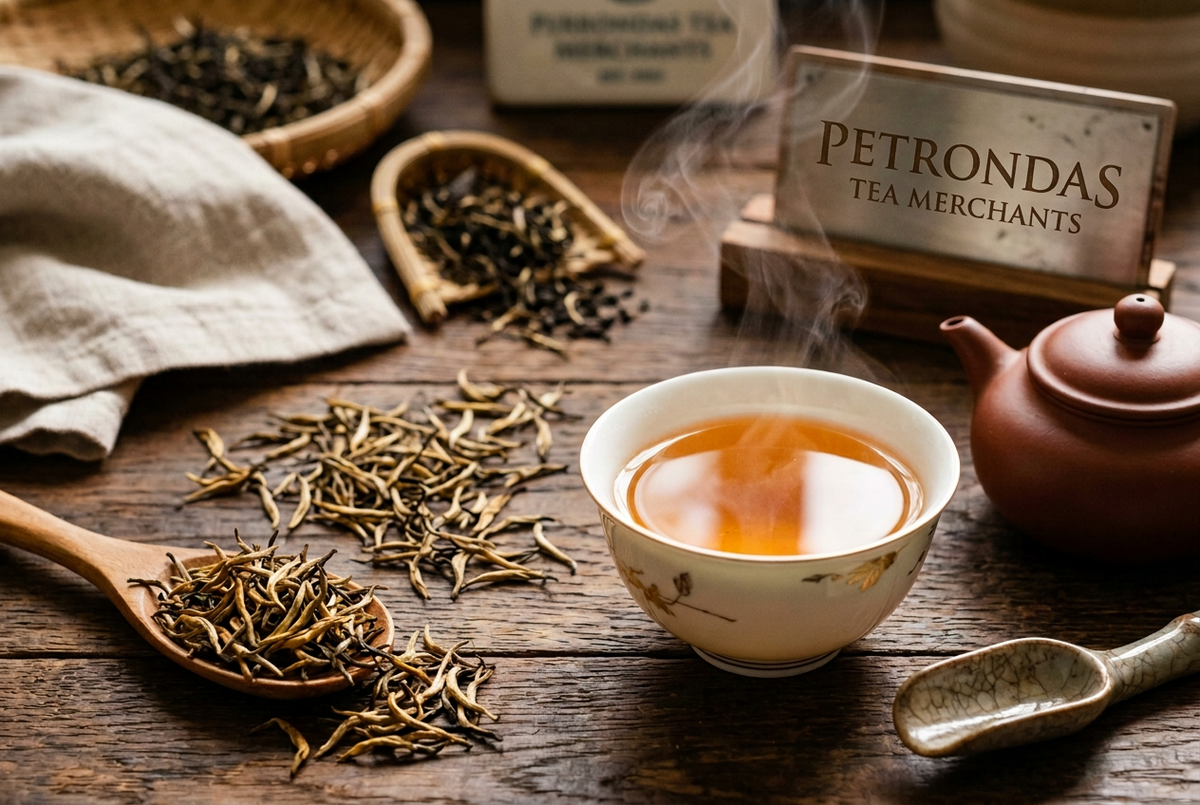
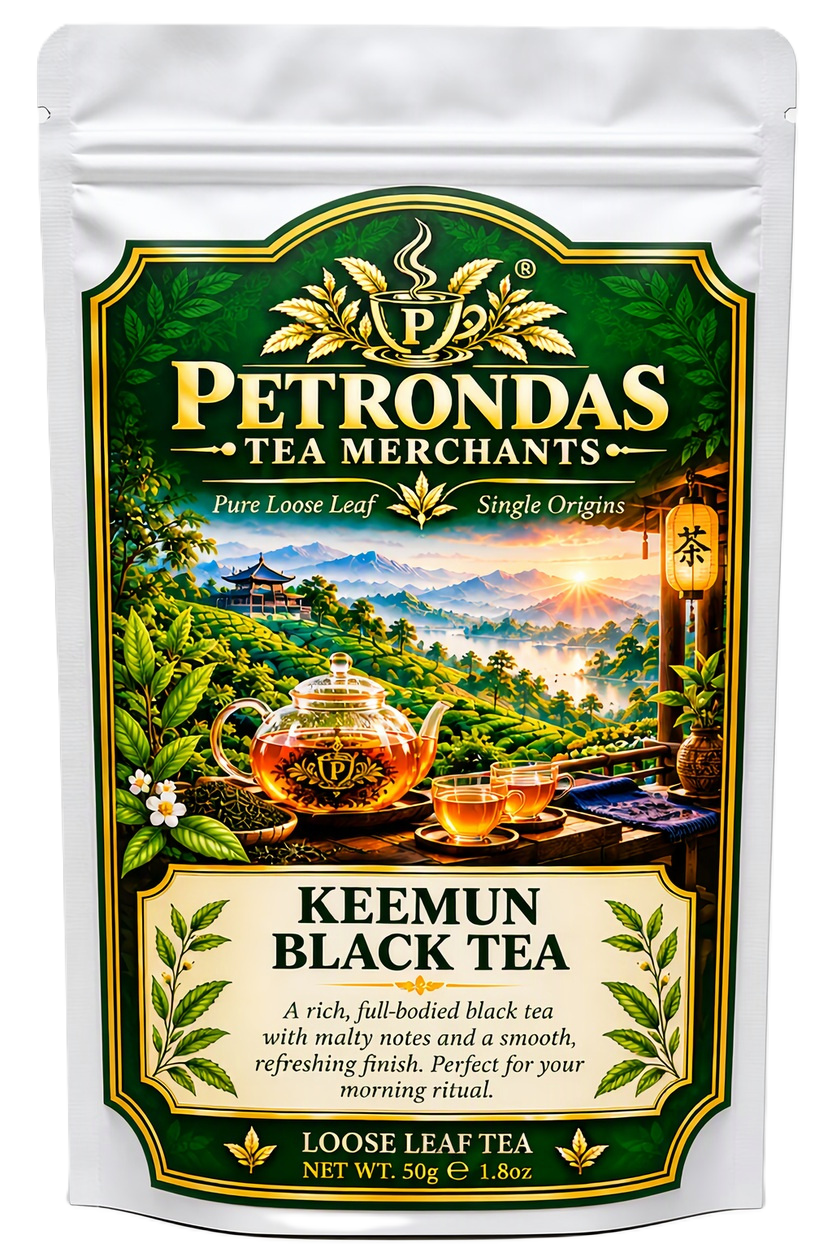
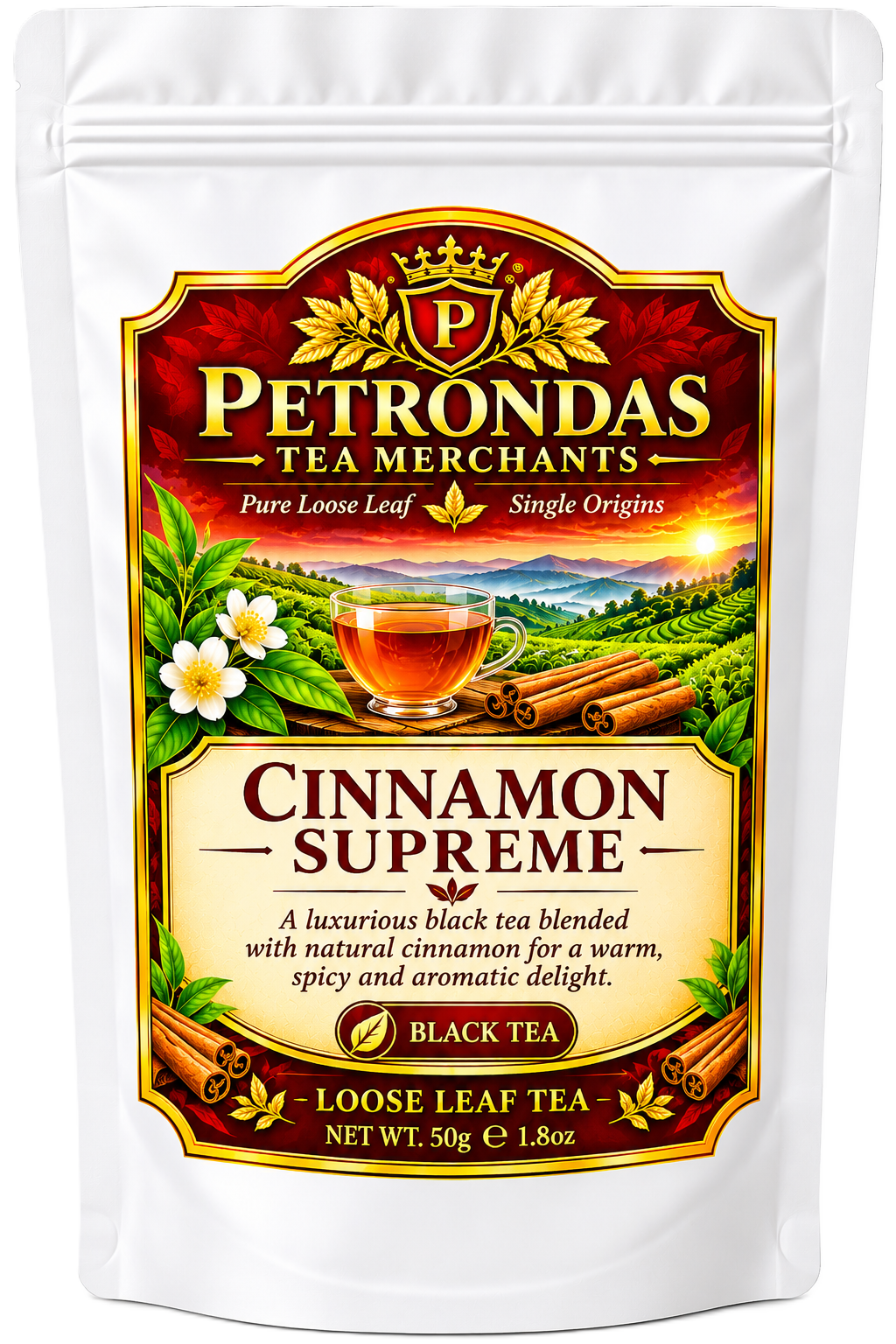
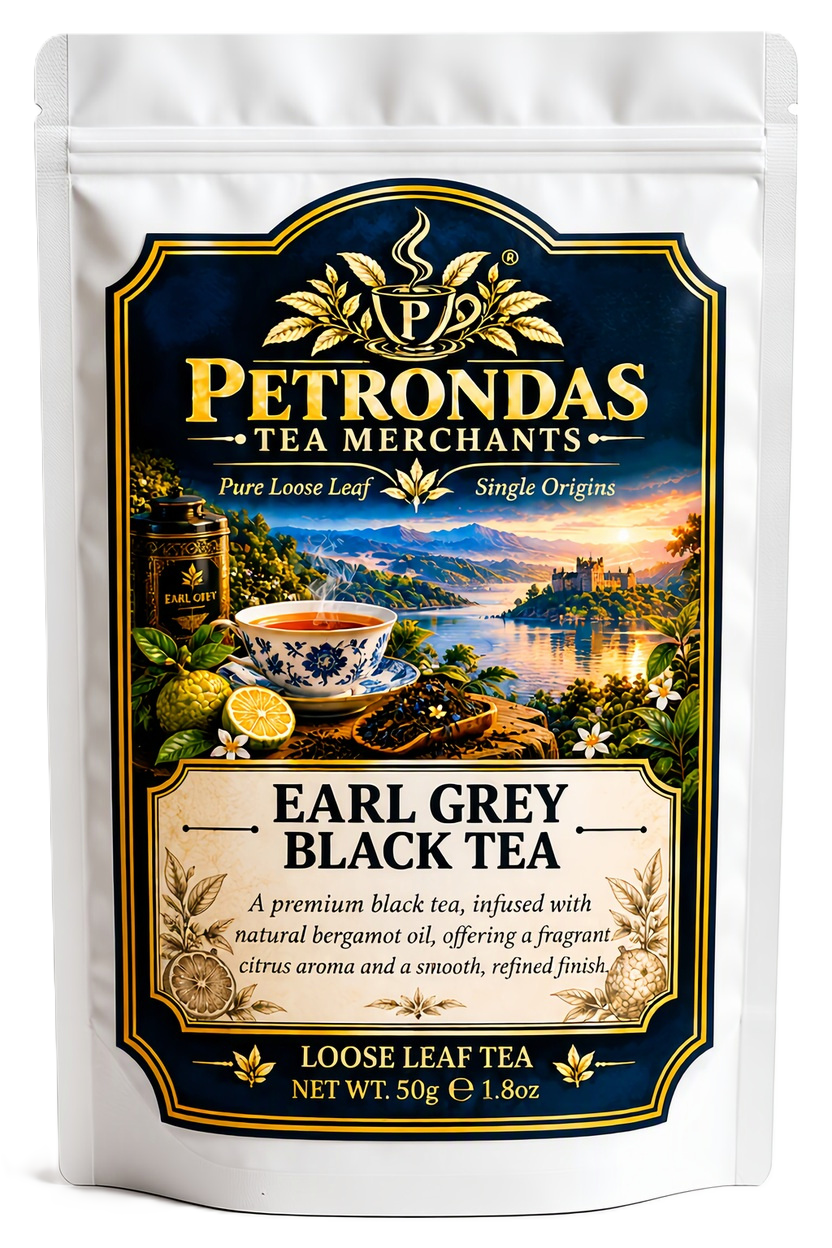
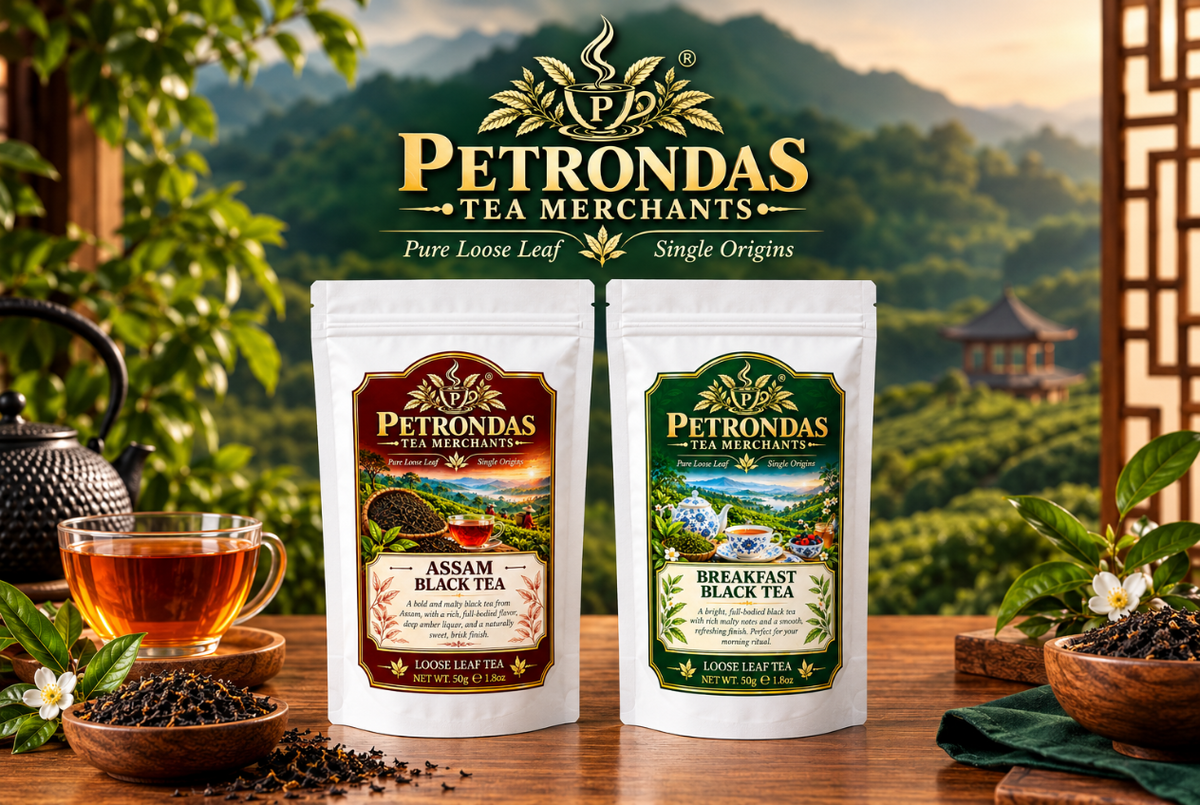
Black tea is the most oxidised of all tea types, which gives it a bold, robust flavour and a deep amber to dark brown colour. The leaves are fully oxidised during processing, allowing them to develop complex, malty, and sometimes fruity notes. Popular varieties include Assam, Darjeeling, and Ceylon tea. Black tea pairs beautifully with breakfast foods and is perfect for those who enjoy a stronger cup with natural sweetness.
Green Tea
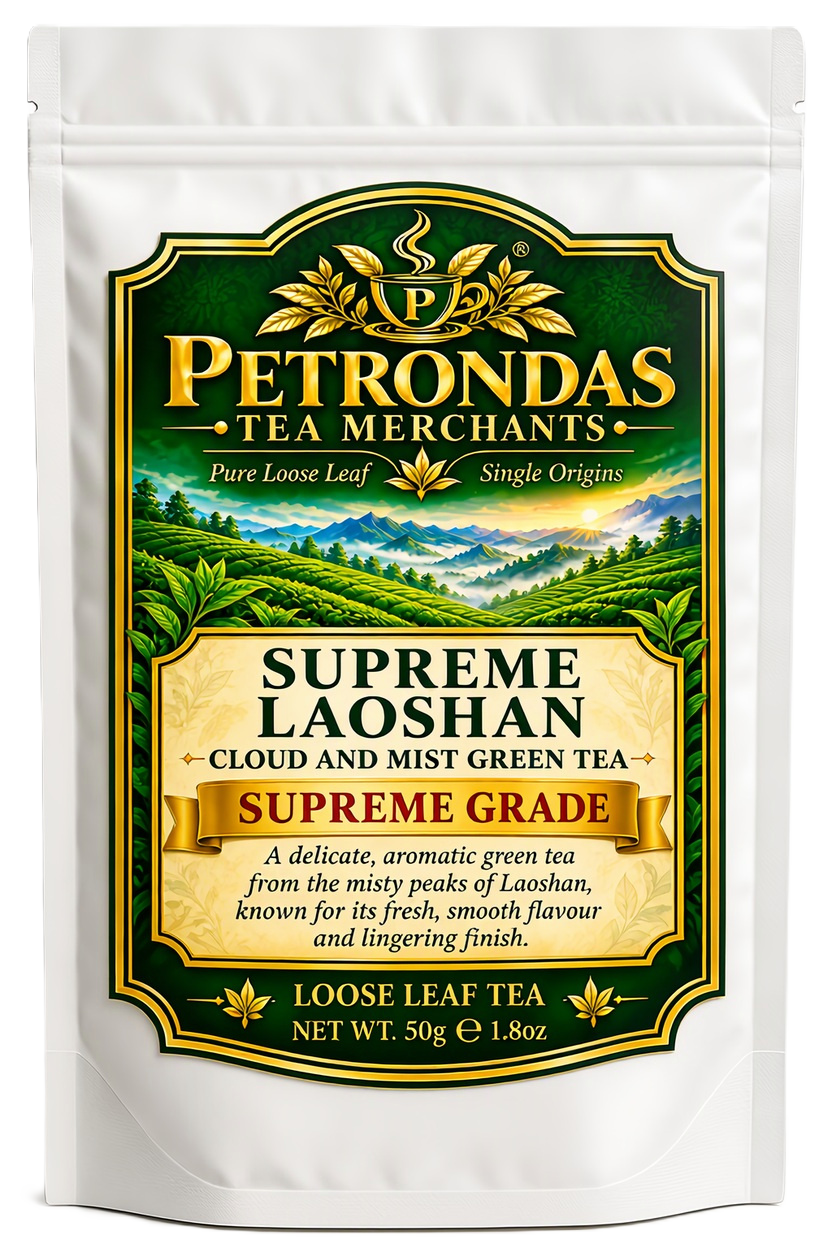
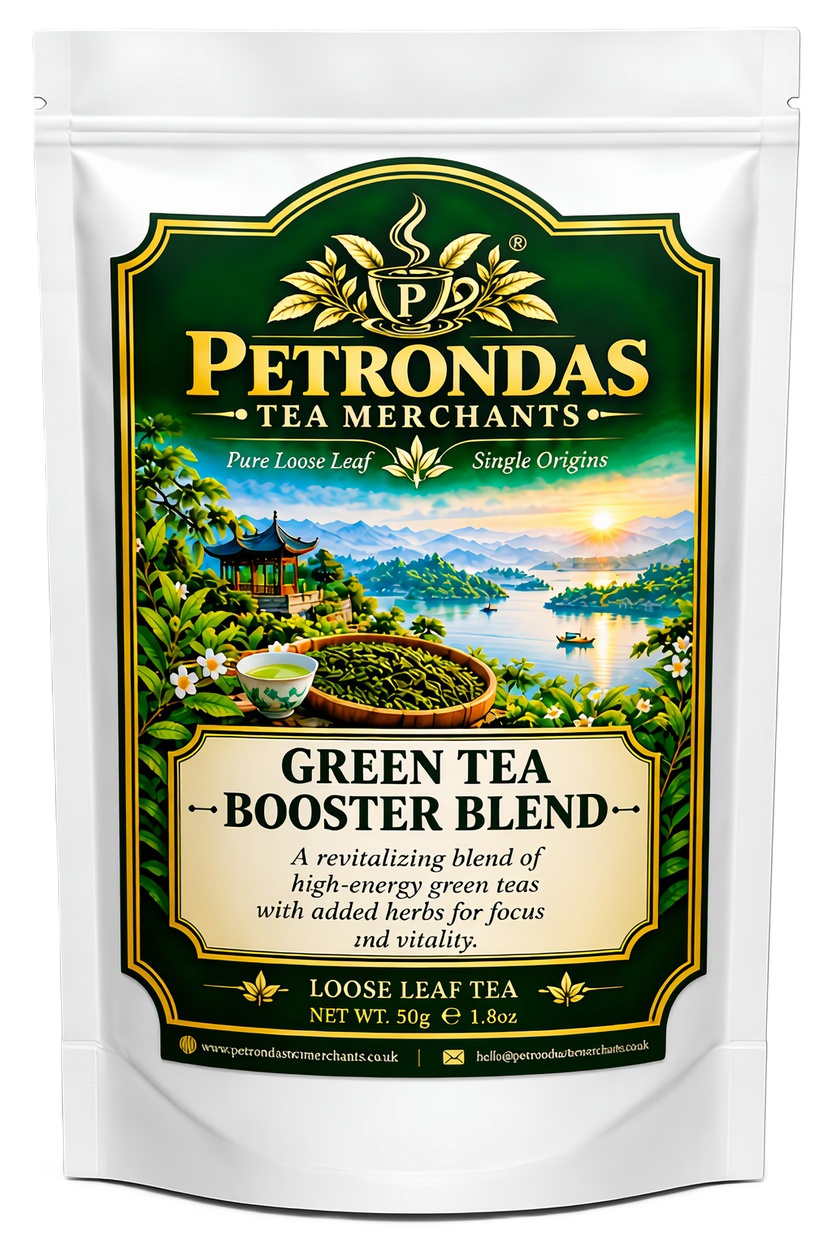
Green tea is minimally oxidised, which preserves its fresh, grassy character and vibrant green colour. The processing methods vary across regions, creating different flavour profiles—from the delicate, vegetal notes of Japanese green teas to the more toasted varieties found in China. Green tea is known for its lighter body and is often enjoyed without milk or sweeteners, allowing its subtle nuances to shine through.
White Tea
White tea is the least processed of all tea types, made from young leaves and buds that are simply dried with minimal oxidation. This gentle handling results in a pale, delicate brew with subtle, naturally sweet flavours and floral notes. White tea has a smooth, light character that makes it perfect for those seeking a more refined and gentle tea experience.
Oolong Tea
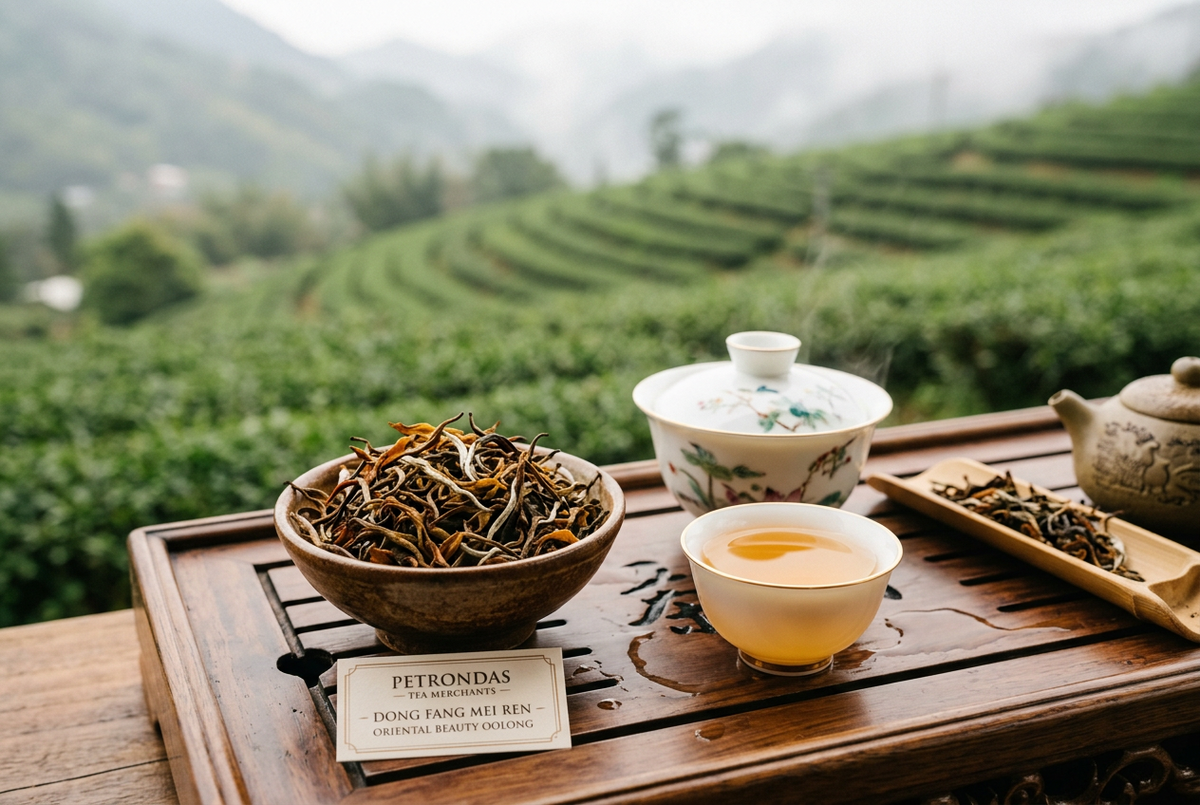
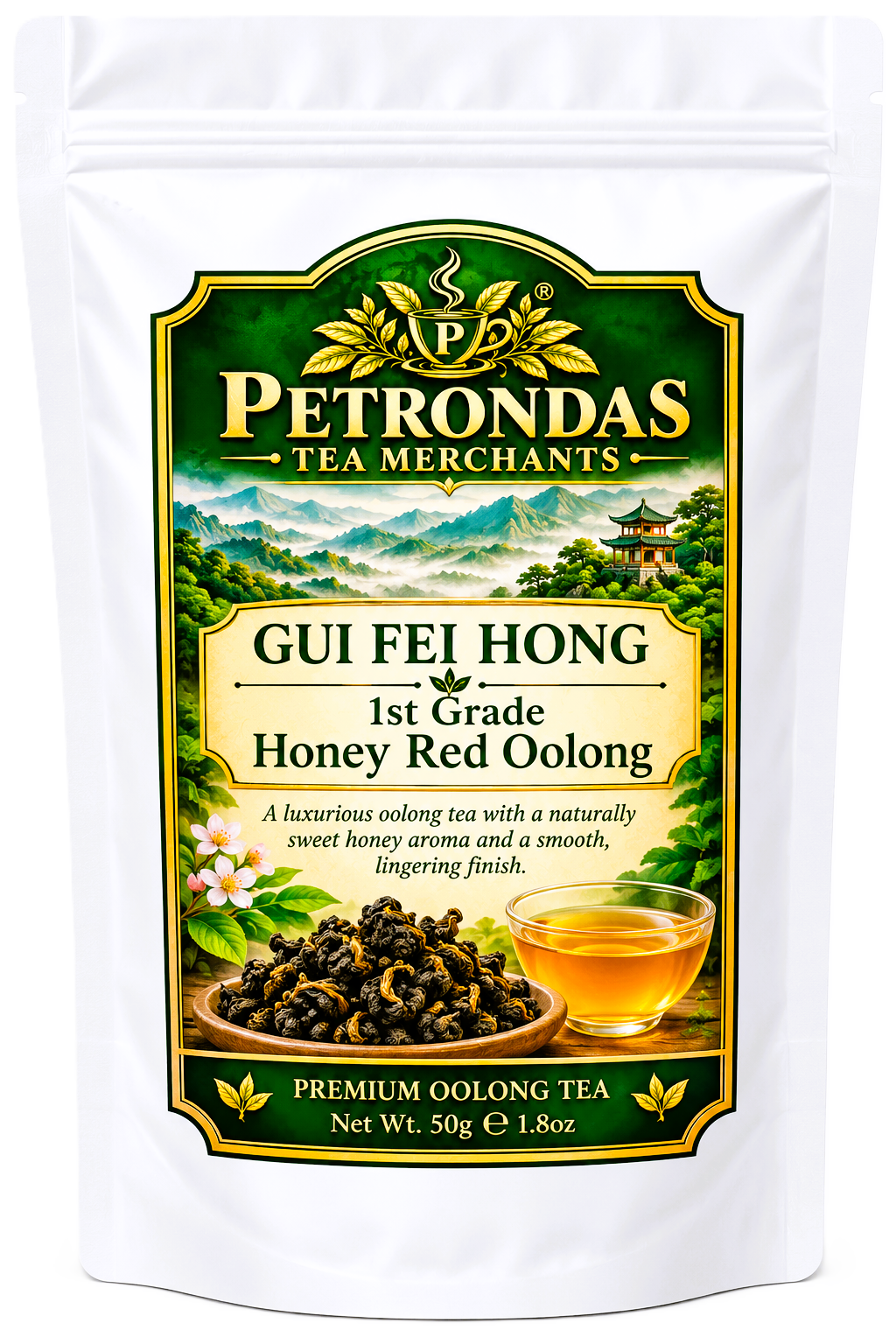
Oolong tea sits beautifully between black and green tea in terms of oxidation levels, typically ranging from 20 to 80 percent oxidised. This versatility creates an incredible range of flavours—from light, fruity, and floral notes in lightly oxidised varieties to rich, toasted, and sometimes woody characteristics in heavily oxidised ones. Oolong teas are prized for their complexity and are often enjoyed neat to fully appreciate their nuanced profiles.
Pu-erh Tea
Pu-erh is a fermented tea from China's Yunnan province, known for its earthy, mellow flavour and smooth finish. The fermentation process gives it unique probiotic properties and a naturally sweet, sometimes woody or mineral taste. Pu-erh is often aged, and like fine wine, older varieties develop deeper, more complex flavours over time.
Herbal Infusions
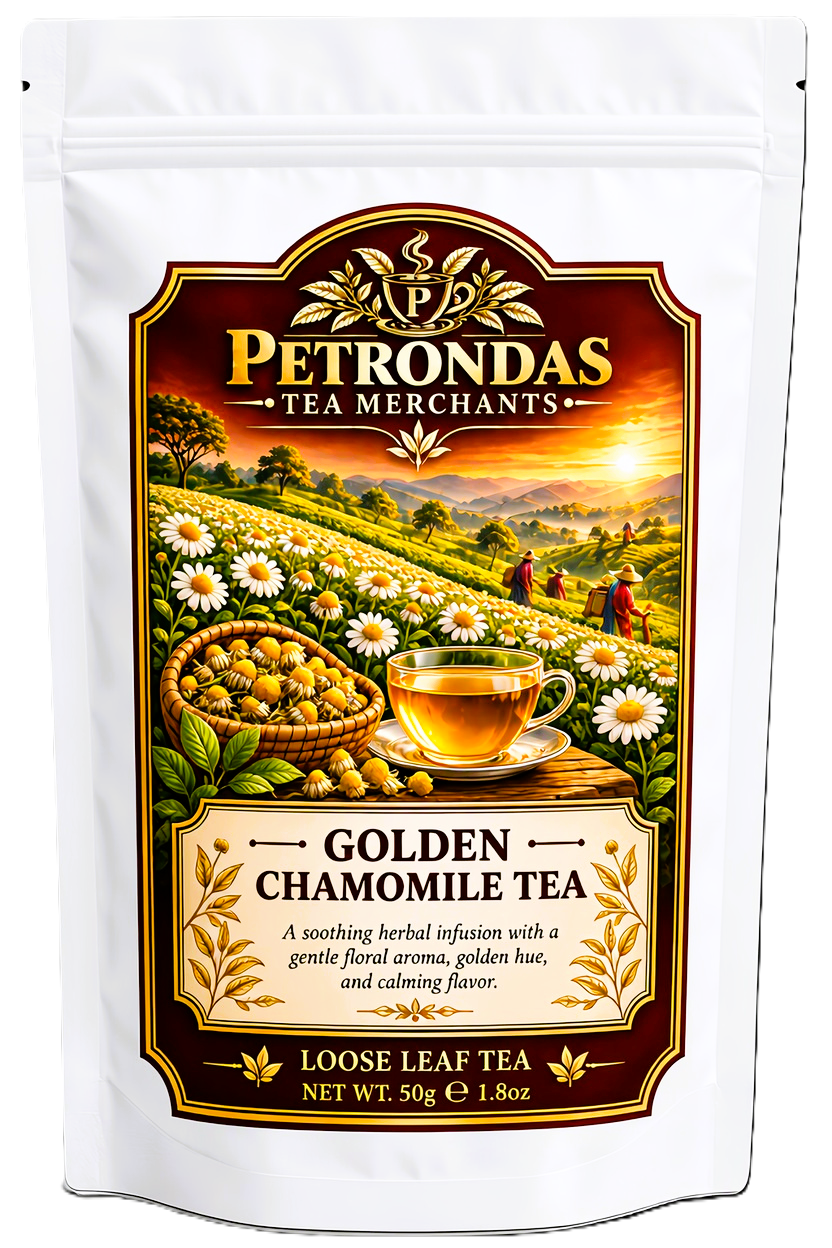
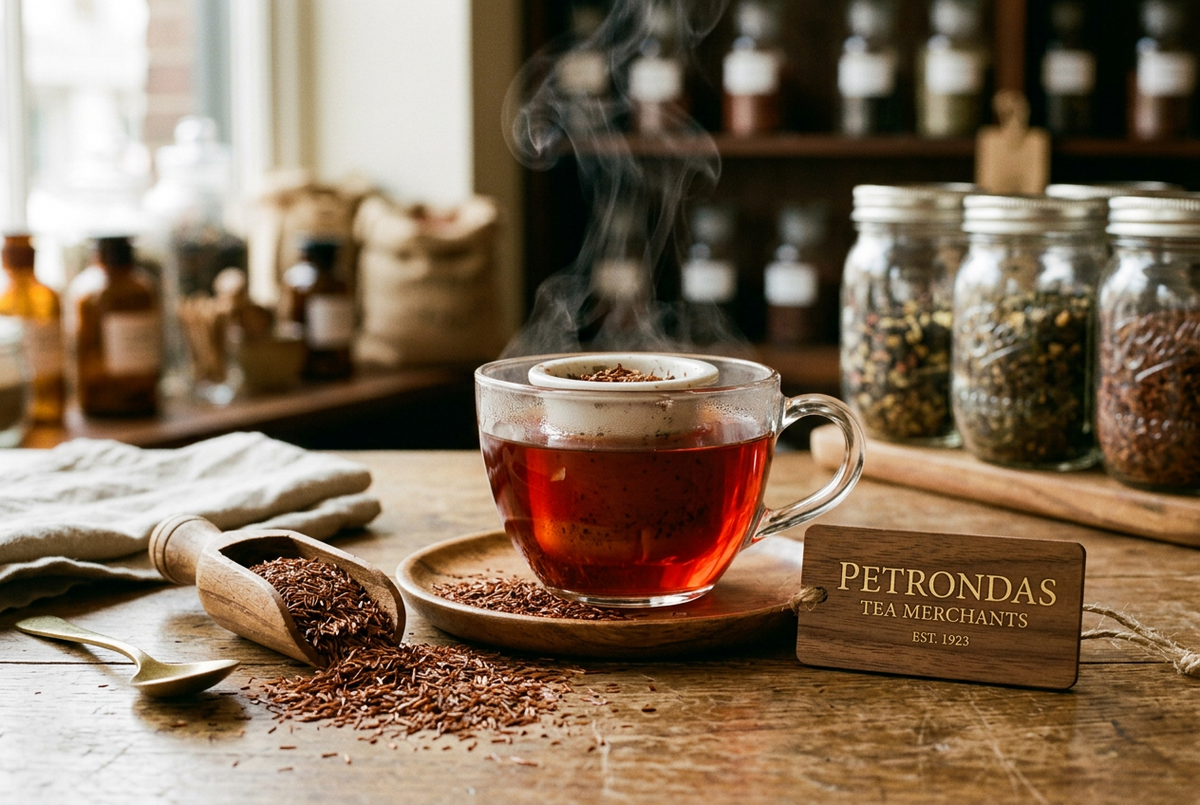
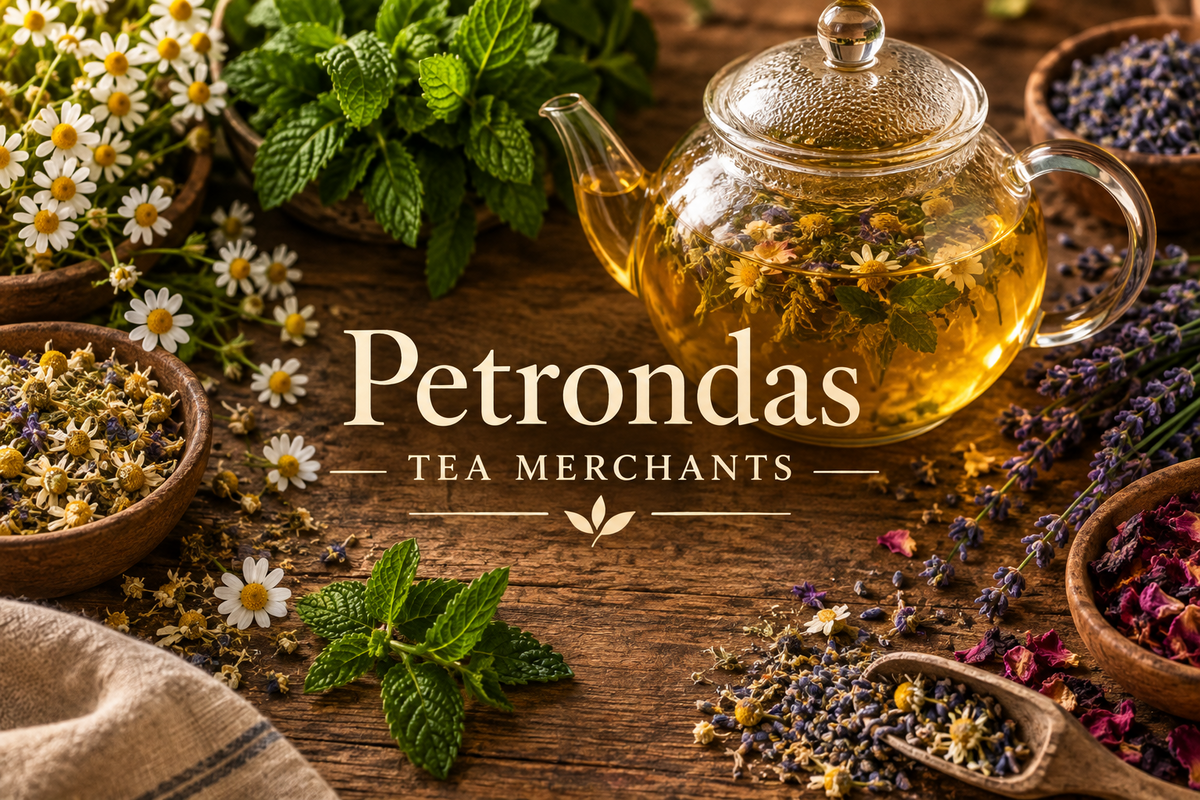
While not technically "tea" (as they don't come from the tea plant), herbal infusions are popular loose leaf options. These include chamomile for relaxation, peppermint for digestion, rooibos for a caffeine-free alternative, and countless blends combining flowers, fruits, and spices. Herbal infusions offer flexibility and variety, with options for every mood and time of day.
Each type of loose leaf tea brings its own character and benefits to your cup. The beauty of loose leaf tea lies in exploring these varieties, experimenting with brewing times and temperatures, and discovering which ones resonate most with your palate. Start with a small selection and enjoy the journey of tea discovery.